


AI Training in Malta: How to Upskill Your Team for the AI Economy
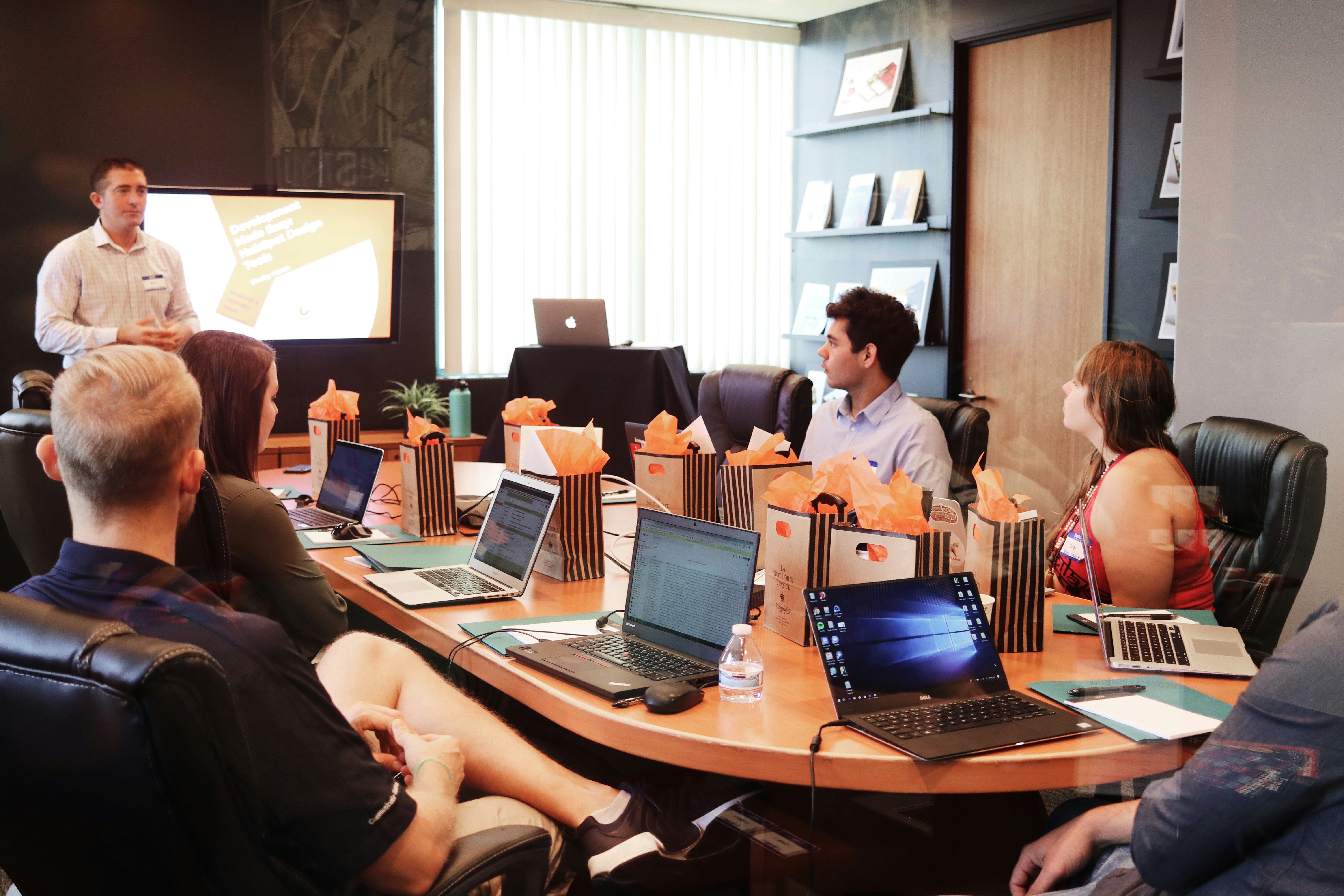
Artificial intelligence is not a technology you can simply buy and switch on. Getting real value from AI — whether through automation, analytics, or AI-powered customer service — requires your people to understand it well enough to use it, oversee it, and make good decisions about where to apply it. That’s why demand for AI training in Malta has surged sharply through 2026, as businesses move from AI experimentation to full deployment.
This post covers what AI training in Malta looks like today, what formats work best for different business contexts, and how to evaluate whether a training programme will actually change how your team works.
Why AI Training Has Become a Business Priority
There’s a version of AI adoption where a company buys a tool, nobody knows how to use it well, and the investment sits underutilised. That version is playing out across many businesses right now.
The companies getting the most from AI are investing equally in technology and in people. Training isn’t about making everyone a data scientist — it’s about building a baseline of AI literacy across the organisation so that the people who interact with AI tools daily understand what they can and can’t do, can spot poor outputs, and can identify new opportunities without waiting for someone else to notice them first.
The Malta AI for All scheme and the EU’s broader push for digital skills have made this a funded priority, with grants available for qualifying businesses investing in workforce upskilling. That removes a significant financial barrier that was previously slowing adoption among smaller Maltese firms.
Types of AI Training for Businesses in Malta
AI Literacy Workshops — half-day or full-day sessions that give non-technical staff a clear, jargon-free understanding of what AI is, how tools like Microsoft Copilot actually work, and how to use them in their daily roles. These are the entry point for most teams and the fastest way to shift from AI scepticism to AI confidence.
Role-Specific Upskilling — targeted training for specific functions: AI-assisted writing and research for marketing teams, AI-powered data analysis for finance and operations, prompt engineering for anyone working with generative AI tools. Practical, hands-on, and tied directly to the work people actually do.
Leadership and Strategy Workshops — for senior teams and business owners, covering AI strategy, how to evaluate AI investments, governance and risk, and EU AI Act compliance requirements. Understanding AI at a strategic level is increasingly a leadership competency, not just an IT responsibility.
Technical Training — for teams building or managing AI systems: machine learning fundamentals, data engineering services practices, MLOps, and working with large language models. These require more time investment but are essential for organisations building in-house AI capability.
Ongoing AI Coaching — some businesses benefit more from a sustained relationship than a one-off event. Monthly sessions, access to an AI advisor, and support embedding new tools as they’re deployed.
What to Look For in an AI Training Provider
The AI training market in Malta has grown quickly, and not all programmes are equally practical. A few questions worth asking:
Is the training tied to your actual tools and processes? Generic AI awareness training has limited shelf life. The most effective training connects directly to the software your team uses and the specific tasks they perform.
Does it include hands-on practice? Passive learning — watching slides and demos — rarely translates to changed behaviour. Programmes that require participants to apply skills during the session produce better retention.
Is it kept current? The AI landscape in 2026 looks quite different from 2024. Training built around tools or models that are now superseded wastes everyone’s time. Ask how often the curriculum is updated and whether the trainer is actively working in AI, not just teaching about it.
Can it be customised to your industry? An iGaming operator has different AI use cases than a healthcare provider or a professional services firm. Training that speaks to your sector’s specific applications is significantly more valuable than a generic course.
Building a Culture of AI Confidence
The goal isn’t a one-time training event — it’s an organisation where people feel equipped to engage with AI tools, propose new use cases, and raise concerns when something doesn’t look right. That requires training to be ongoing and embedded in how teams develop, not treated as a box to check.
Companies that combine AI consulting with training — understanding their strategy and building their people’s capability at the same time — move faster and waste less. The technology and the knowledge need to develop together.
Microsoft Copilot adoption is a useful test case: businesses that received training specifically on Copilot workflows report significantly higher daily usage and measurably better outputs than those who simply received licences and documentation.
Getting Your Team AI-Ready in 2026
If you’re planning to grow your team’s AI capability this year, the time to start is before you deploy the tools, not after. Training that runs ahead of or alongside implementation produces better adoption than training delivered after frustration has set in.
Neural AI runs practical AI training workshops in Malta tailored to your team’s roles and the tools you’re actually using. If you’d like to discuss what would work best for your organisation, contact us and we’ll put together a proposal.
Stay ahead of the curve
Get monthly AI insights for your business
Join business leaders across Malta getting practical AI strategy in their inbox. No spam — unsubscribe any time.
Related Articles
 AI for Business Growth
 How to Automate Repetitive Business Tasks with AI
Discover practical steps to automate repetitive business tasks using AI tools for greater efficiency in 2026.
 AI for Business Growth
 How to Use AI in Accounting and Finance for Maltese Businesses
Discover practical ways to implement AI in accounting and finance, boosting efficiency and accuracy for Maltese businesses.
 AI for Business Growth
 Top AI Tools for Customer Service Teams in Malta (2026)
Discover 2026's best AI tools for customer service teams in Malta. Boost efficiency and customer satisfaction.

Ready to Transform Your Business with AI?
Book a free AI consultation with our Malta-based team and discover how we can help you achieve measurable results.