


What Is the Difference Between AI and Machine Learning?
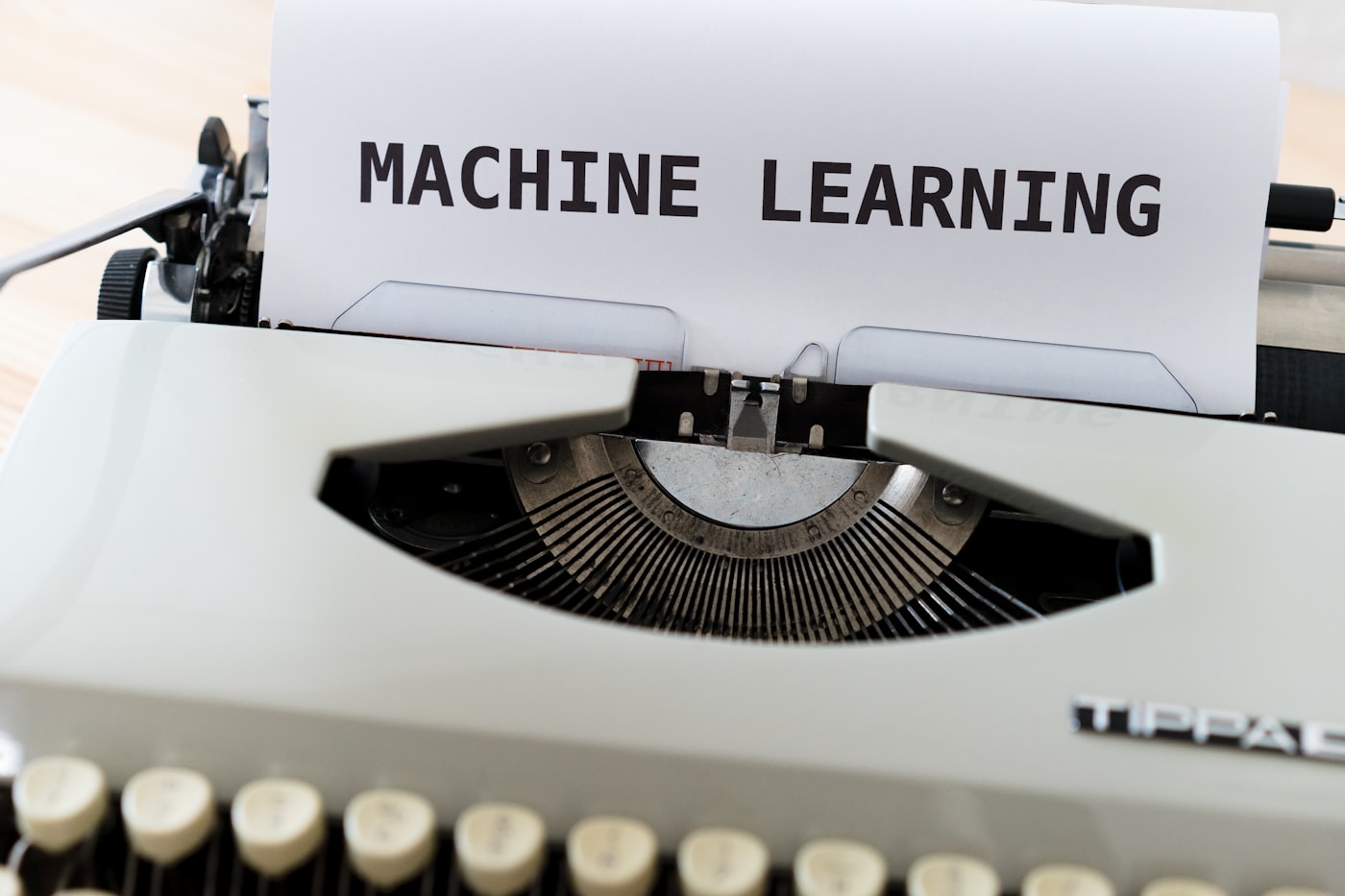
Defining Artificial Intelligence: An Overview
Artificial Intelligence (AI) is a multidisciplinary field dedicated to building systems that can perform tasks traditionally requiring human intelligence. This encompasses a wide range of capabilities, from understanding natural language to recognizing patterns and making decisions. The aim of AI is not just to simulate human thought processes but also to enhance human capabilities by providing systems that can learn, adapt, and potentially outperform humans in specific tasks. Technologies like Microsoft Copilot exemplify AI’s integration in enhancing productivity tools, offering automated suggestions that streamline user interactions. As AI continues to evolve, its applications have become increasingly critical, spanning industries from healthcare to finance and logistics, reflecting its transformative potential across both global and Maltese markets.
Understanding Machine Learning: A Subset of AI
Machine Learning (ML) is a subset of AI that specifically focuses on developing algorithms that enable systems to learn from and make predictions based on data. Unlike traditional AI systems that follow predefined rules, ML models adjust their predictions and actions through exposure to new data. This approach is central to tasks such as recommendation systems, fraud detection, and predictive maintenance. Techniques like supervised learning, unsupervised learning, and reinforcement learning form the core methodologies within ML, each tailored to different task requirements. For instance, large language models leverage vast amounts of text data to understand and generate human-like text, enhancing AI applications in customer service and content creation. As a foundational pillar of AI, ML continues to grow, forming the basis of innovative solutions tailored to the unique needs of businesses globally and in Malta.
Key Differences Between AI and Machine Learning
The principal difference between AI and machine learning lies in their scope and application. AI is the overarching discipline concerned with creating intelligent agents that can perform tasks requiring human-like cognition, while machine learning is a specific approach that enables AI systems to learn and improve from data. AI encompasses broader methodologies, including expert systems and computer vision, whereas ML focuses on developing algorithms for data-driven learning. A common misconception is equating AI with ML, but while all machine learning is AI, not all AI involves machine learning. This distinction matters as it influences system designs, determining whether a project might benefit more from rule-based AI systems or adaptive ML models. Tools such as data analytics leverage both AI and ML to provide actionable insights, enabling businesses to make informed decisions.
Practical Implications for Maltese Businesses
Understanding the differences between AI and machine learning can significantly affect business strategies in Malta. Employing machine learning models may aid businesses in personalizing customer experiences and optimizing operations, while AI, in its broader sense, can automate complex decision-making processes. For example, developing custom AI models or deploying AI automation solutions can solve specific problems more efficiently by tailoring the technology to unique business contexts. This knowledge empowers Maltese entrepreneurs to decide whether to invest in comprehensive AI solutions or focused ML models, optimizing their resources and addressing business challenges effectively. Collaborating with AI consulting experts can further refine these strategies, ensuring the best fit between technology and business objectives, thus driving innovation within the local market.
Future Trends in AI and Machine Learning
As we look towards 2027, AI and machine learning continue to evolve, shaping future business landscapes with innovations such as generative AI and quantum computing. Generative AI, capable of creating new content based on learned patterns, offers vast potential for industries like media, entertainment, and marketing, driving content personalization and automation. In Malta, embracing these trends could enhance local industries, potentially transforming how businesses operate, from product design to customer interaction. Moreover, machine learning’s integration with real-time predictive analytics could offer businesses unprecedented foresight into market trends, enabling proactive strategy development. Keeping abreast of these emerging trends is crucial for Maltese businesses aiming to stay competitive in a global market, underscoring the importance of continuous adaptation and technology integration. To explore these opportunities further, contact us.
Stay ahead of the curve
Get monthly AI insights for your business
Join business leaders across Malta getting practical AI strategy in their inbox. No spam — unsubscribe any time.
Related Articles
 Understanding AI
 What Is the Difference Between AI and Machine Learning?
Learn the key differences between AI and machine learning and their impacts on Maltese businesses seeking tech-driven growth.
 Understanding AI
 OpenAI's Codex Desktop Release: What It Means for AI Innovation in Malta
OpenAI's Codex Desktop moves AI from passive assistance to active execution. Here's what this shift means for businesses and AI developers in Malta.
 Understanding AI
 How Gmail AI Tools Are Transforming Everyday Emailing
Gmail's AI features — from Help Me Write to Smart Compose — are making email faster and more efficient. Here's what they do and why they matter for business.

Ready to Transform Your Business with AI?
Book a free AI consultation with our Malta-based team and discover how we can help you achieve measurable results.