


How AI Is Redefining the Future of Architectural Design
AI Meets Architecture
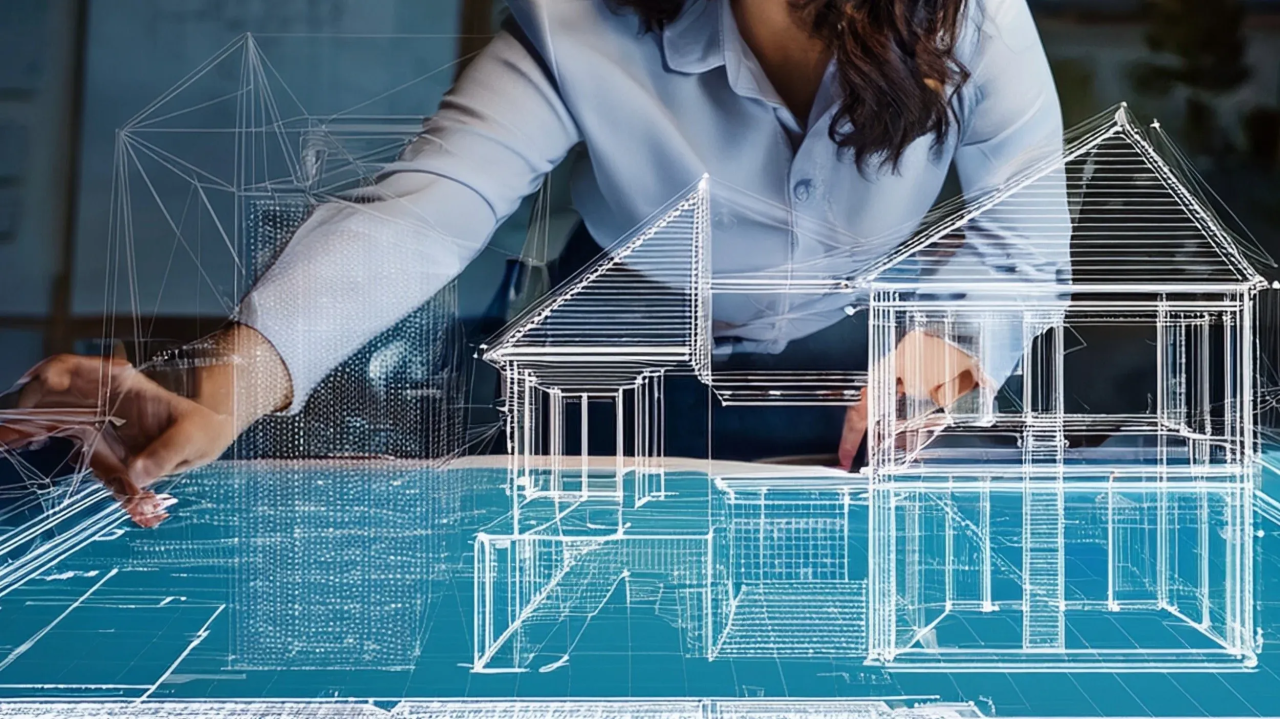
The architecture industry is undergoing a quiet revolution. Artificial intelligence is reshaping how buildings are designed, planned, and constructed, enabling architects to explore thousands of design variations in the time it once took to sketch a single concept.
From generative design algorithms that optimise floor plans to computer vision systems that analyse construction site progress, AI is becoming an indispensable tool in the architect’s toolkit.
Generative Design: Unlimited Possibilities
Generative design uses machine learning algorithms to produce hundreds of design options based on specified constraints such as budget, materials, spatial requirements, and environmental conditions. Instead of manually iterating through designs, architects can set parameters and let the AI explore the solution space, surfacing optimal configurations that a human designer might never consider.
This approach is particularly powerful for complex projects where balancing aesthetics, structural integrity, energy efficiency, and cost is critical.
Computer Vision on Construction Sites
Computer vision is being deployed on construction sites to monitor progress, detect safety hazards, and verify that work aligns with architectural plans. Drones equipped with AI-powered cameras can scan a site in minutes, comparing as-built conditions against digital models and flagging discrepancies in real time. This construction monitoring application is one of several covered in top computer vision applications for Malta’s industries.
This reduces costly rework and improves project timelines, making construction more predictable and less wasteful. Coupling site-monitoring vision data with AI automation platforms enables real-time alerts and reporting without manual review.
Energy Modelling and Sustainability
AI is also transforming how architects approach sustainability. Machine learning models can simulate a building’s energy performance across different climate scenarios, optimising insulation, window placement, HVAC systems, and renewable energy integration before a single brick is laid.
For firms committed to green building standards, AI-driven data analytics makes it possible to achieve sustainability targets without sacrificing design intent.
The Road Ahead
As AI tools become more accessible, architectural firms that embrace these technologies will gain a significant competitive advantage. The ability to design smarter, build faster, and deliver more sustainable outcomes is no longer a futuristic vision; it is the new standard. An AI consulting engagement is often the fastest way for firms to identify where to start. More broadly, why AI is no longer optional in 2025 articulates why firms in every sector, including architecture, cannot afford to delay.
Interested in how AI can transform your industry? Get in touch with Neural AI to explore tailored solutions for your business.
Stay ahead of the curve
Get monthly AI insights for your business
Join business leaders across Malta getting practical AI strategy in their inbox. No spam — unsubscribe any time.
Related Articles
 Understanding AI
 What is the Difference Between AI and Machine Learning?
Learn the key differences between AI and machine learning, and their impact on businesses in Malta.
 Understanding AI
 What Is Predictive Analytics and How Does It Work?
Explore predictive analytics, its workings, and benefits for Maltese businesses in 2026.
 Understanding AI
 What Is the Difference Between AI and Machine Learning?
Learn the key distinctions between AI and machine learning and understand their impact on Maltese businesses.

Ready to Transform Your Business with AI?
Book a free AI consultation with our Malta-based team and discover how we can help you achieve measurable results.