


The Complete Guide to Setting Up a WhatsApp Chatbot for Your Maltese Business
Introduction to WhatsApp Chatbots
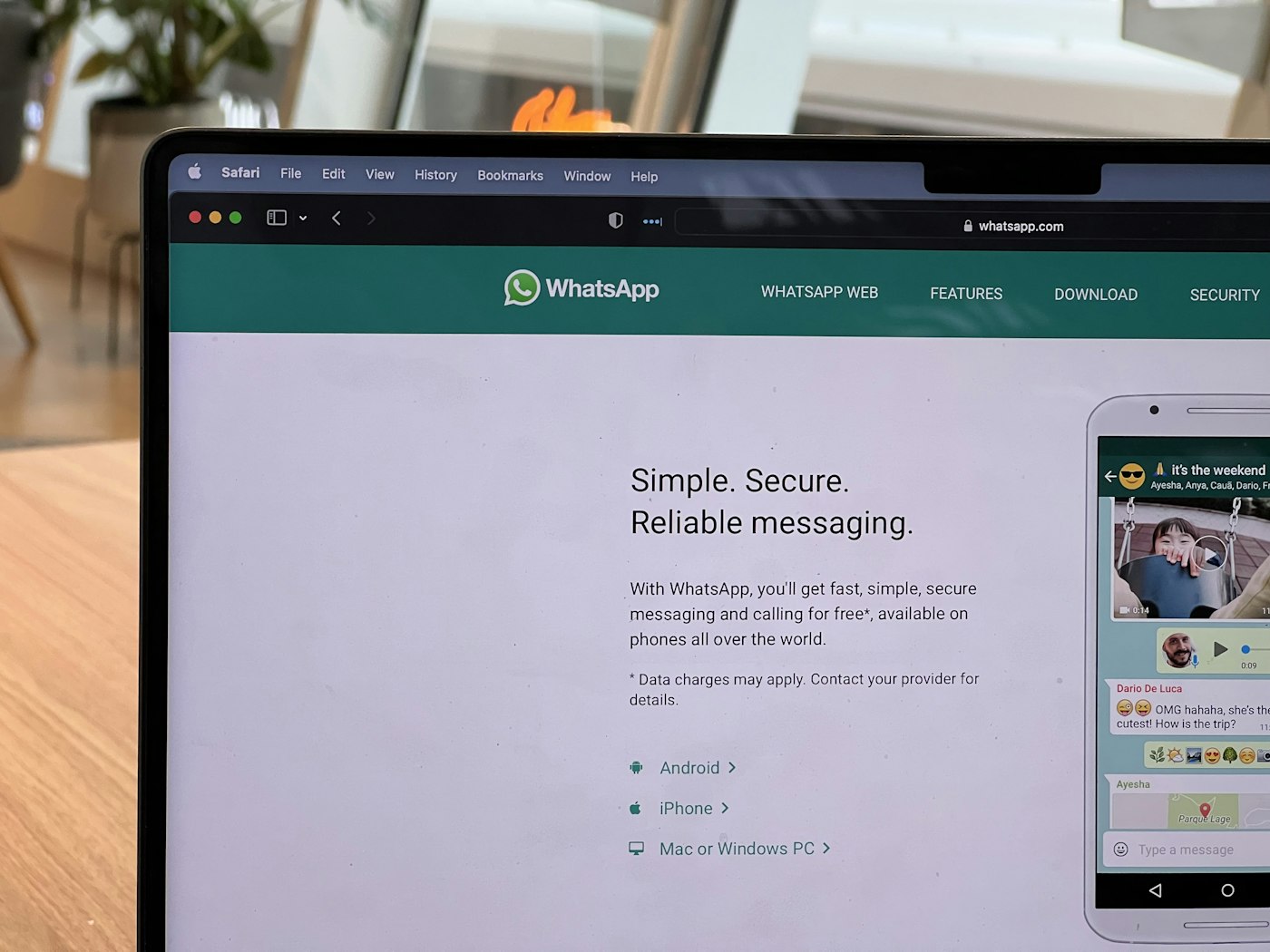
WhatsApp chatbots are automated response systems that operate within the WhatsApp platform to assist businesses in enhancing their customer service capabilities. For Maltese businesses, these chatbots offer significant advantages, such as 24/7 availability, instant responses, and the ability to handle multiple queries simultaneously. These capabilities lead to improved customer interaction and satisfaction. In a world where digital communication prevails, adopting WhatsApp chatbots enables businesses in Malta to remain competitive on a global scale, ensuring they cater to customer needs efficiently and effectively. By leveraging AI automation, companies can streamline operations, reduce response time, and focus on core business activities.
Prerequisites and Costs
Setting up a WhatsApp chatbot involves several prerequisites and costs that businesses must consider. The first step is selecting a Business Solution Provider such as Twilio, 360dialog, or WATI, which offer different pricing models and feature sets. For example, Twilio charges per message and session, providing flexibility as you scale, while 360dialog offers a more predictable subscription fee structure. Businesses should expect to pay a setup fee alongside monthly maintenance costs, which in Malta could range from EUR 50 to EUR 500 per month depending on the complexity and features of the chatbot solution. It’s also crucial to account for potential integration expenses with existing systems and the time required for staff training. Engaging with AI consulting can streamline this setup process, ensuring businesses choose the right solutions tailored to their specific needs.
How to Set Up Your WhatsApp Chatbot
Setting up a WhatsApp chatbot for your business involves a series of important steps that ensure your tool is both functional and compliant with WhatsApp’s business policies. Here’s how to get started:
Step 1: Register for the Meta WhatsApp Business API
Begin by registering for the Meta WhatsApp Business API. This requires creating a business account on the Facebook Business Manager platform. Ensure you have all necessary information at hand, such as your company’s legal name, a verified phone number capable of receiving SMS or voice calls, and relevant documentation like a URL or addresses to prove business authenticity. Once the account is set up, apply for API access. This application will be reviewed by Meta to confirm that your business is eligible for the WhatsApp Business API, which facilitates a secure way to communicate with your customers.
Step 2: Choose a Business Solution Provider
Selecting the right Business Solution Provider is critical. Twilio, for instance, is known for its robust integration capabilities with pricing based on usage—perfect for businesses that need scalability. Their flexible pricing structure supports volume growth without upfront commitments. 360dialog provides a straightforward, flat-fee structure ideal for predictable budgeting, with rates starting from approximately EUR 49 per month for basic APIs. WATI stands out for its simplicity and user-friendly interface with subscription models starting around EUR 50 monthly, offering integrated dashboards that require no technical expertise. Consider factors like setup costs, ongoing support, user interface, and ease of integration when making your decision.
Step 3: Connect Your Chatbot Platform
After securing API access and choosing a provider, integrate a chatbot platform like Microsoft Copilot Studio. This platform offers a range of tools for building powerful AI-driven chatbots, combining an intuitive drag-and-drop interface with sophisticated automation capabilities. Customize your bot’s responses and flows to align with your brand’s tone and customer interaction strategies. Crucially, Microsoft Copilot Studio provides tools for natural language processing and integration with data analytics, allowing real-time customer data to inform interactions and decision-making processes. This integration can also extend to CRM systems, enhancing customer data centralization and accessibility.
Step 4: Test and Go Live
Testing is a critical step before full deployment. Utilize the sandbox environments provided by your Business Solution Provider to simulate customer interactions. Conduct thorough testing to ensure your chatbot can handle common queries and edge cases effectively. During this phase, involve team members to role-play as customers, offering diverse scenarios to challenge the bot’s capabilities. Once satisfied with the performance in the testing phase, proceed to launch your chatbot to the public. This step involves configuring the chatbot settings from test mode to live traffic handling. Post-launch, closely monitor the bot’s interactions through analytics dashboards to gather insights on performance, enabling real-time adjustments and continuous improvements based on customer feedback and operational metrics.
Custom vs. Pre-Built Chatbot Solutions
Choosing between a custom solution and a pre-built chatbot involves weighing factors such as flexibility, cost, and complexity. Custom chatbots, developed with platforms like AI chatbot development, offer tailored features and integrations specific to your business needs, which provide greater flexibility but at a higher cost and longer development time. Pre-built solutions, conversely, are more cost-effective and quicker to implement, as they require minimal configuration and allow businesses to deploy immediately. However, they may not offer the same level of customization and may require businesses to adapt their workflows to fit the chatbot’s capabilities. Assessing the specific needs of your business, and possibly consulting with a machine learning specialist, can guide your decision between these options.
Conclusion and Future Outlook
In conclusion, setting up a WhatsApp chatbot involves several key steps including choosing the right solution provider, integrating with a robust chatbot platform, and ensuring thorough testing. For Maltese businesses, WhatsApp chatbots not only enhance customer engagement but also streamline operations. Looking ahead, the evolution of conversational AI, including predictive analytics and large language models, promises even more sophisticated customer interaction capabilities. As AI technologies advance, Maltese businesses should prepare to incorporate these innovations to maintain competitive advantage. If you’re ready to enhance your customer service with a WhatsApp chatbot, contact us to get started on your AI journey.
Stay ahead of the curve
Get monthly AI insights for your business
Join business leaders across Malta getting practical AI strategy in their inbox. No spam — unsubscribe any time.
Related Articles
 AI for Business Growth
 How to Automate Repetitive Business Tasks with AI
Discover practical steps to automate repetitive business tasks using AI tools for greater efficiency in 2026.
 AI for Business Growth
 How to Use AI in Accounting and Finance for Maltese Businesses
Discover practical ways to implement AI in accounting and finance, boosting efficiency and accuracy for Maltese businesses.
 AI for Business Growth
 Top AI Tools for Customer Service Teams in Malta (2026)
Discover 2026's best AI tools for customer service teams in Malta. Boost efficiency and customer satisfaction.

Ready to Transform Your Business with AI?
Book a free AI consultation with our Malta-based team and discover how we can help you achieve measurable results.