

Why Healthcare Providers Can't Ignore AI
The Urgency of AI in Healthcare
Healthcare is facing unprecedented pressure: rising patient volumes, workforce shortages, increasing regulatory complexity, and growing expectations for personalised care. Artificial intelligence is not a luxury for healthcare providers; it is becoming essential infrastructure for delivering quality care efficiently.
Providers who delay AI adoption risk falling behind competitors who are already using it to improve outcomes, reduce costs, and enhance patient experiences. Globally, this urgency is reflected in market projections: the healthcare AI market is on track to reach $187 billion by 2030, driven by demand for diagnostic accuracy and operational efficiency.
Critical AI Applications in Healthcare
Diagnostic Support
AI-powered diagnostic tools assist clinicians by analysing medical images, lab results, and patient histories with speed and consistency that complement human expertise. Computer vision systems can detect early signs of cancer, diabetic retinopathy, and cardiac conditions, improving early detection rates. The evidence base for how AI-driven decision making is improving healthcare outcomes across hospital systems is growing rapidly.
Patient Engagement
AI chatbots are transforming patient engagement by providing 24/7 access to appointment scheduling, symptom checking, medication reminders, and post-treatment follow-up. These systems reduce administrative burden while improving patient satisfaction.
Operational Efficiency
AI-driven automation streamlines back-office operations including billing, claims processing, scheduling, and inventory management. Healthcare organisations deploying automation typically see 30-50% reductions in administrative costs.
Clinical Decision Support
Machine learning models analyse patient data to recommend treatment options, predict complications, and identify patients at risk of readmission. These tools augment clinical judgement rather than replacing it, giving providers better information for decision-making.
Population Health Management
Data analytics powered by AI enables healthcare organisations to identify trends, predict outbreaks, and allocate resources more effectively across patient populations.
Barriers to Adoption
Common barriers include data privacy concerns, integration with legacy systems, and regulatory compliance. These are valid challenges, but they are not insurmountable, especially with an experienced AI partner who understands healthcare-specific requirements.
The Cost of Inaction
While the cost of implementing AI is measurable, the cost of not implementing it is often greater: missed diagnoses, operational inefficiency, staff burnout, and competitive disadvantage. Healthcare organisations that invest in AI now will be better positioned for the challenges ahead.
Neural AI works with healthcare organisations to deploy AI solutions that meet clinical standards and regulatory requirements. Book a consultation to explore what AI can do for your organisation.
Stay ahead of the curve
Get monthly AI insights for your business
Join business leaders across Malta getting practical AI strategy in their inbox. No spam — unsubscribe any time.
Related Articles
 AI for Business Growth
 Harnessing AI Trends to Drive Business Success in Malta
Explore how global AI trends are energizing business growth within Malta.
 AI for Business Growth
 Harnessing Global AI Trends for Business Growth in Malta
Explore how Malta's businesses can thrive by leveraging global AI trends.
 AI for Business Growth
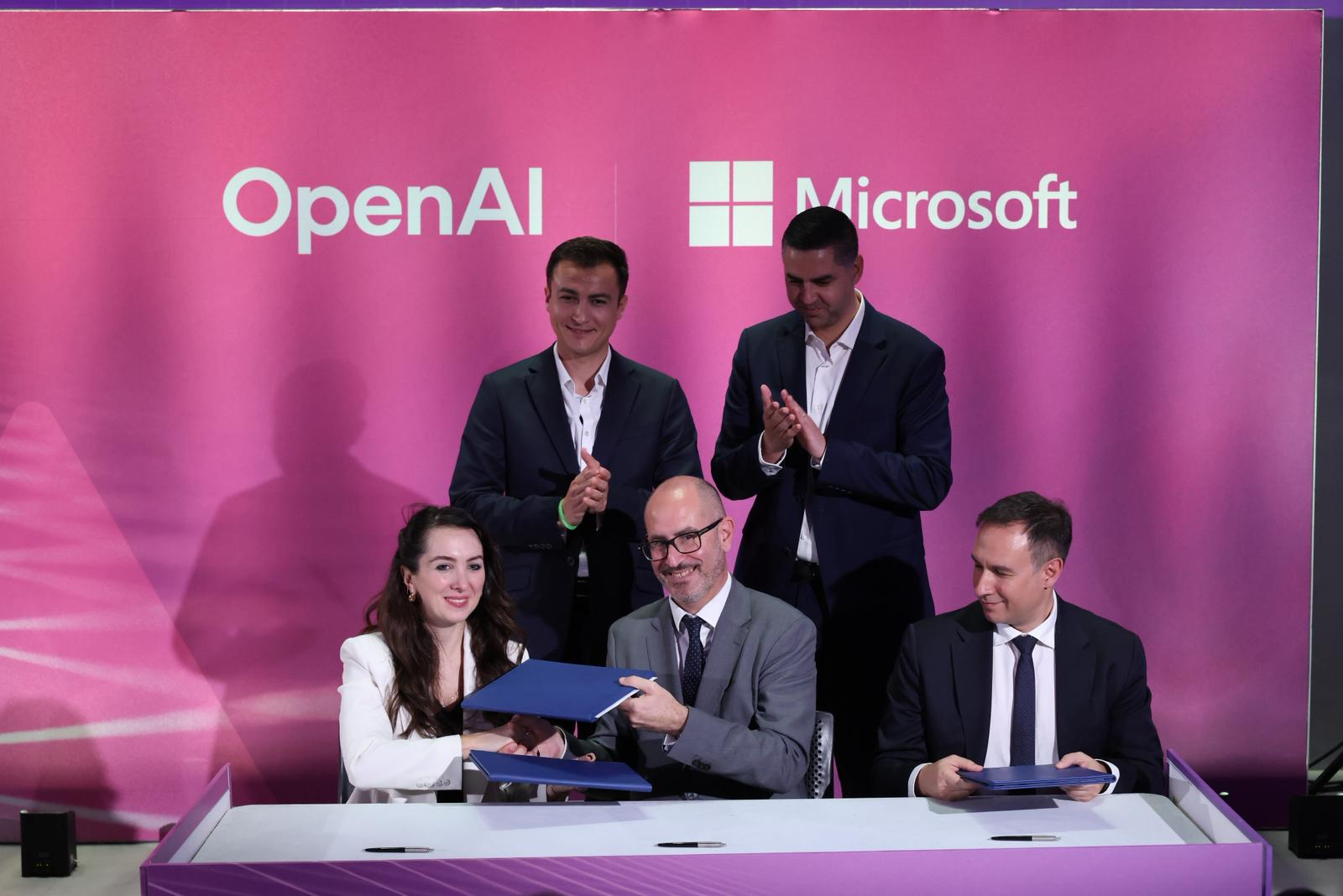
 Everything You Need to Know About Malta's AI for All (AI4All) Scheme
Malta is the first country to offer every citizen and resident a free one-year ChatGPT Plus or Microsoft Copilot subscription. Here is everything you need to know about the AI4All scheme.

Ready to Transform Your Business with AI?
Book a free AI consultation with our Malta-based team and discover how we can help you achieve measurable results.